A Ukrainian national dish
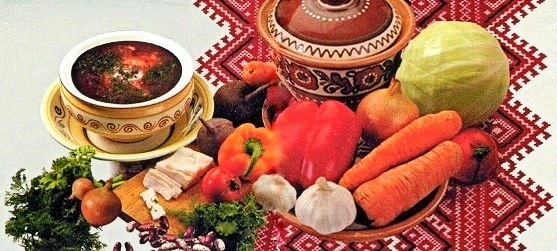
In Ukraine, borscht is deeply tied to home cooking and national identity. The soup is often made for holidays, Sunday meals, and ordinary days that deserve a warm pot. UNESCO added the culture of Ukrainian borscht cooking to its List of Intangible Cultural Heritage in Need of Urgent Safeguarding in 2022, recognising a living tradition rather than a fixed recipe.

Older than the beet
The name is linked to an older Slavic soup made with common hogweed, known in Ukrainian as борщ. Over time, beets became central to many Ukrainian versions, bringing the color and sweet-earthy flavor that most people now associate with the dish.

A shared regional language
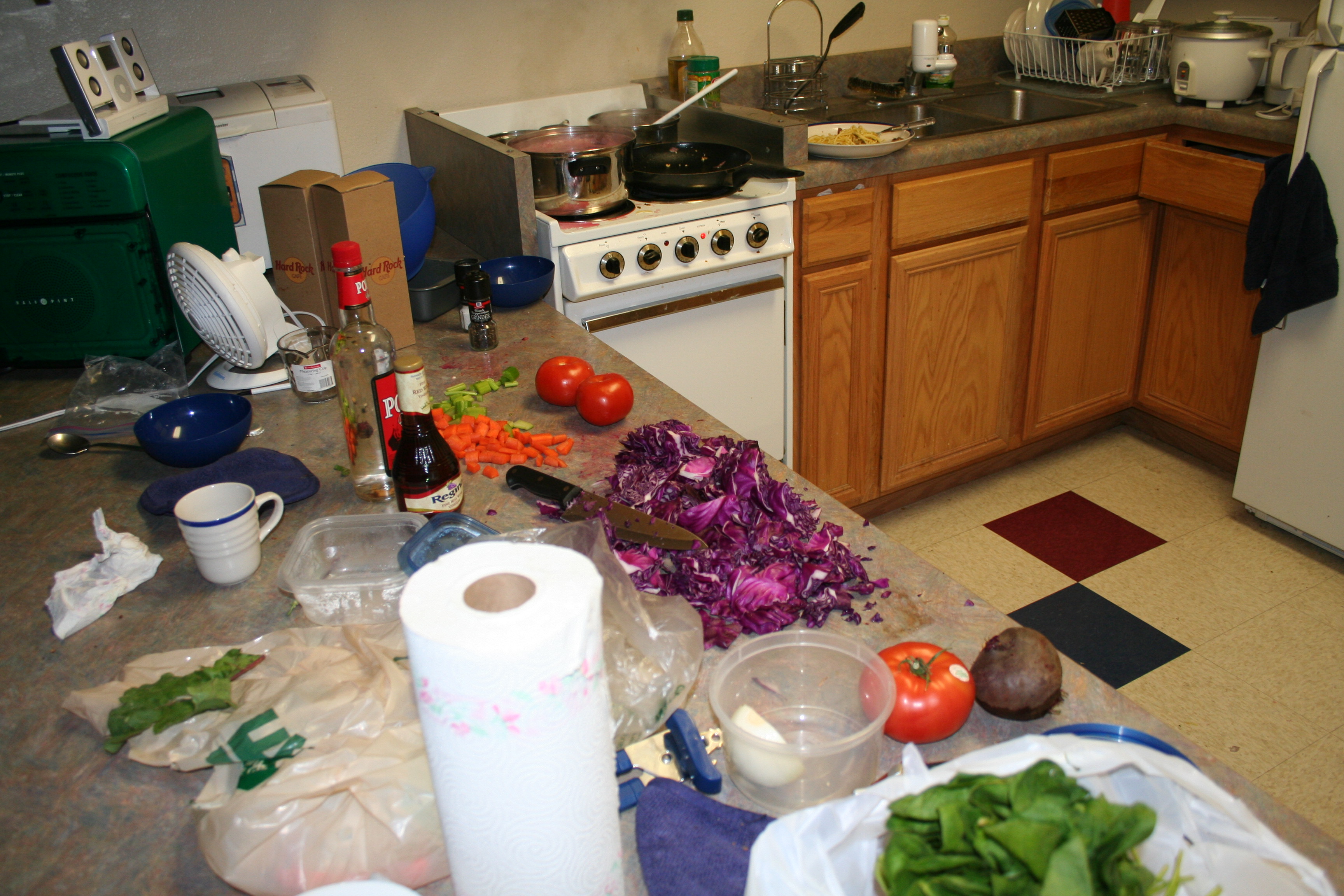
Borscht travelled and changed. Across Eastern and Central Europe, cooks added or removed meat, cabbage, beans, tomatoes, fermented beet juice, mushrooms, or dairy. Calling these versions “the same” misses the point: borscht is a family of soups whose differences tell you where the pot is.

How to read a recipe
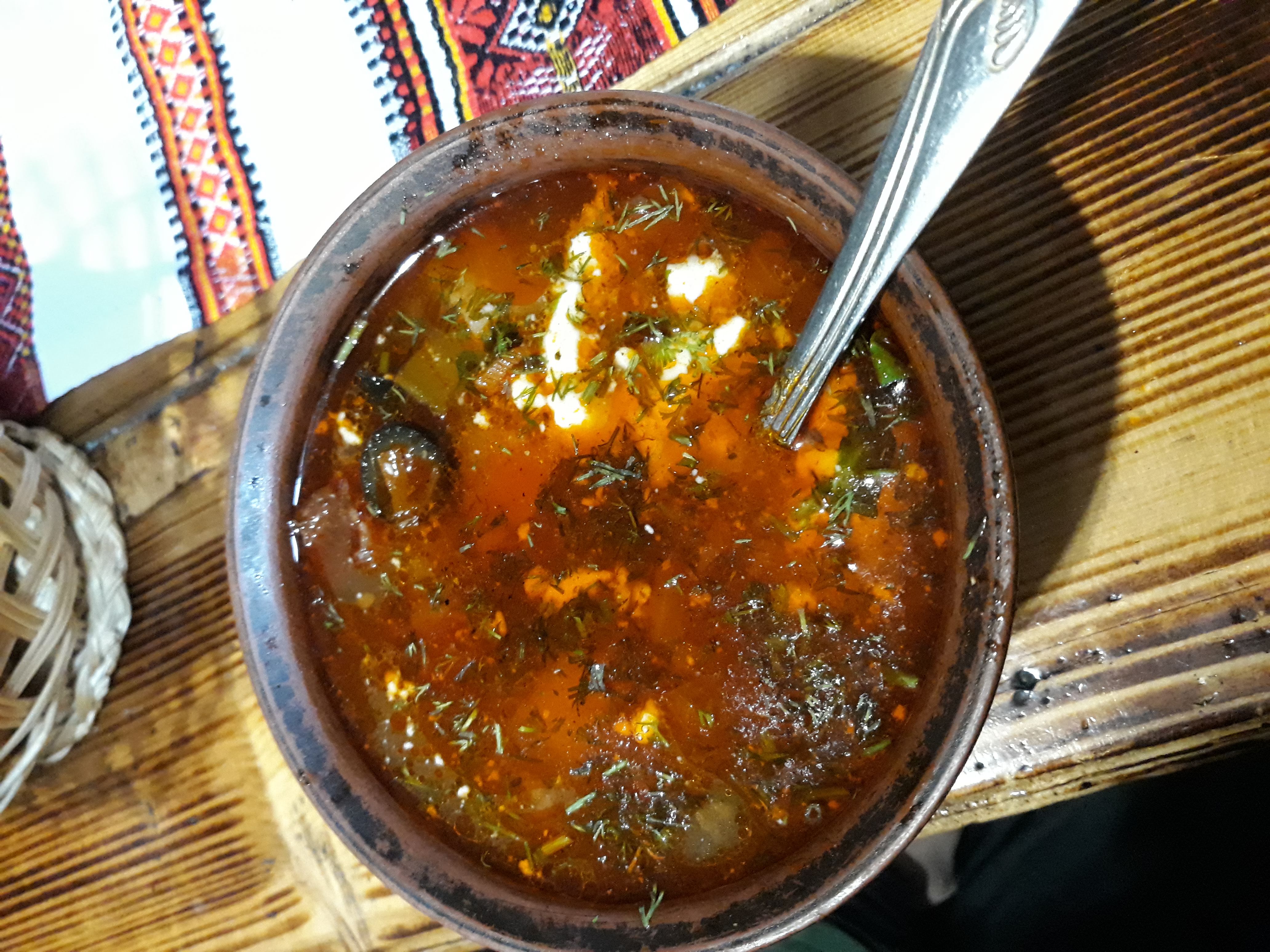
Look for balance rather than rigid rules. A good bowl usually brings sweetness from vegetables, acidity from vinegar or fermented ingredients, savory depth from stock or mushrooms, and freshness from herbs. Sour cream is a classic finishing note, but it is not a test of authenticity.